Blog / Construction Accidents

Common Ways Construction Accidents Occur

One of the most important steps that a construction accident victim must take to seek compensation is to demonstrate how the incident occurred. The burden, therefore, is on the plaintiff to explain to a jury the nature of the accident and the conditions that caused it to happen. Working with experienced personal injury counsel, you can present a compelling case that demands the justice you deserve after your construction accident. Turn to the team at Miller, Montiel, & Strano, P.C.

The most common causes of construction accidents

Construction job sites are necessarily dangerous places. A number of hazards are present and safety regulations are not always enforced. After a construction accident, it will be the plaintiff-victim’s obligation to lay out a case that explains in detail how it happened. These are some of the most common ways they do:

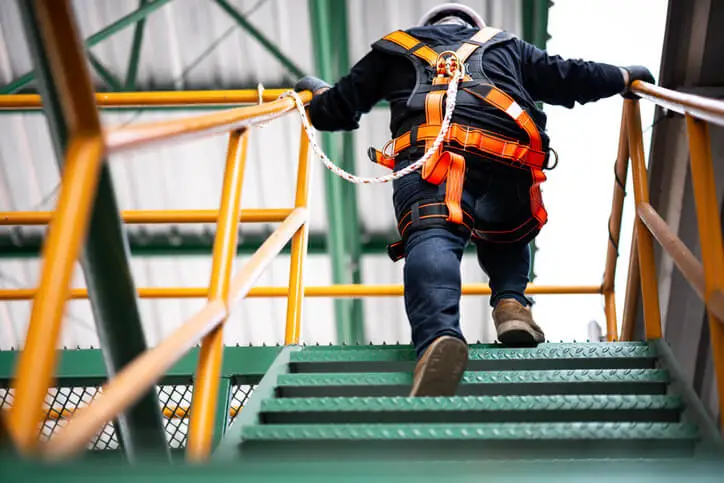
Slips, trips, and falls. There are all kinds of conditions at construction job sites that can cause a slip, trip, or fall. These are just some:

  • Openings left uncovered or unprotected in floors
  • Holes and pits that are not properly cordoned off
  • Unsafe ladders and ladders improperly placed
  • Slick surfaces
  • Improper set up and lack of guardrails on scaffolding
  • Uneven footing caused by poor flooring, temporary ramps or steps
  • Staircase collapse
  • Tools left carelessly on the ground
  • Failure to provide safe set up to get on to or off of equipment

Struck by accidents. Flying, falling, swinging, and rolling objects can forcefully strike a worker, causing injury. Commonly, materials that fall from heights are in this category.

Caught in/between accidents. Being stuck or pinned between two objects is common on construction sites. This category includes getting a limb caught and injured in a piece of equipment.

Machinery or equipment accidents. Construction workers should be trained how to safely use machinery and equipment to reduce the chances of a major accident. However, the machine or equipment itself could be defective and thereby result in injuries

Electrocutions. Power lines, wiring, and power sources are common features of construction sites. If safety rules are disregarded, a worker could be electrocuted. Electrocution injuries can include burns, cardiac arrest, and nerve damage.

Collapses. Moving large amounts of soil can cause instability which may lead to a ground collapse. Other examples of collapses include tunnel, trench, building, and scaffolding collapses.

The role of negligence

All of the above ways that construction workers can be injured are preventable . The reason these accidents occur is usually rooted in negligence - that is, some irresponsible act or omission on the part of the property owner, general contractor, or another liable party. These are some examples of negligence:

  • Failure to observe and enforce OSHA regulations and workplace safety rules
  • Cost cutting shortcuts
  • Lazy, inadequate site supervision or maintenance 
  • Inattention from trying to complete a job too fast
  • Failure to care about or consider construction worker safety
  • Failure to properly train and supervise workers
  • Failure to provide adequate safety gear, e.g. eye protection
  • The presence of excessively hazardous conditions, e.g. having too many construction vehicles on the site at once
  • Defective or malfunctioning equipment, machines, tools, vehicles, and scaffolding
  • Unsafe property conditions, including the presence of toxic substances

Were You Injured In A Construction Accident? We Can Advise You Of Your Legal Rights

If you or a loved one were injured on a construction site, don’t delay taking legal action. Medical bills, lost wages, and pain and suffering are some of the most common damages stemming from construction accidents. Miller, Montiel, & Strano, P.C. can review your case, explain your legal rights, and get to work building a case to seek monetary compensation. Reach out to us today.
Posted in:

Related Posts

Navigating Workers' Compensation vs. Personal Injury Claims in Construction Accidents: A Comprehensive Guide

Construction sites are bustling hubs of activity where skilled workers collaborate to bring architectural visions to life. However, amidst the complexity of construction projects, accidents can happen, leading to injuries and, in unfortunate cases, even fatalities. When an accident occurs, understanding the nuances of workers' compensation and personal injury claims becomes crucial for both employers and employees. In this comprehensive guide, we'll navigate the intricate landscape of workers' compensation and personal injury claims in the context of construction accidents. Workers' Compensation: A Safety Net for Injured Workers Workers' compensation is a state-mandated insurance program designed to provide medical benefits and wage replacement to employees who are injured on the job. In the context of construction accidents, workers' compensation serves as a safety net, offering financial support and medical care without the need for the injured party to prove fault. This system aims to streamline the process of obtaining benefits for injured workers, emphasizing a no-fault approach. Key Features of Workers' Compensation: a. No-Fault System: Workers' compensation operates on a no-fault basis, meaning that the injured worker is entitled to benefits regardless of who caused the accident. b. Medical Benefits: Injured workers receive coverage for medical expenses related to the accident, including hospitalization, rehabilitation, and ongoing treatment. c. Wage Replacement: Workers' compensation provides partial wage replacement during the period of disability, ensuring financial stability for the injured worker. d. Disability Benefits: Depending on the severity of the injury, workers may be eligible for temporary or permanent disability benefits, in addition to other benefits. Limitations of Workers' Compensation: While workers' compensation is designed to provide swift and certain benefits, it also has limitations. Workers typically cannot sue their employers for additional damages beyond the benefits provided by the workers' compensation system. Personal Injury Claims: Pursuing Accountability Beyond Workers' Compensation In certain circumstances, a construction accident may involve third-party liability, opening the door for a personal injury lawsuit. Unlike workers' compensation, personal injury claims are generally fault-based, requiring the injured party to demonstrate that another party's negligence or intentional actions caused the injury. Key Features of Personal Injury Claims: a. Third-Party Liability: Personal injury claims often involve parties other than the employer, such as equipment manufacturers, general contractors, subcontractors, or property owners, whose negligence contributed to the accident. b. Full Compensation: Unlike workers' compensation, personal injury claims allow for the pursuit of full compensation, including economic damages (medical expenses, lost wages) and non-economic damages (pain and suffering, emotional distress). c. Legal Process: Pursuing a personal injury claim involves navigating the legal system, including gathering evidence, filing a lawsuit, and potentially going through a trial. Choosing the Right Path: A workers' compensation and a personal injury claim can be pursued at the same time; you need not choose between one or the other. While workers' compensation provides a more straightforward path for obtaining benefits, a personal injury claim may be necessary when a third party's negligence is involved. Navigating workers' compensation and personal injury claims in construction accidents requires a nuanced understanding of the legal landscape. Employers and employees alike must be aware of their rights and options to ensure that injured workers receive the appropriate support and compensation. By comprehensively understanding these two avenues, stakeholders can navigate the aftermath of construction accidents with clarity and confidence. Accidents happen, but justice prevails. At MMS Personal Injury Lawyers, we're your dedicated advocates in the pursuit of compensation for your injuries. Our experienced team specializes in personal injury cases, ensuring you get the support you deserve. Contact now!

Safeguarding Progress: A Comprehensive Guide to Scaffolding Safety in Urban Construction Sites

In the bustling heart of a city, construction sites stand as testament to progress and growth. However, with the rapid development and towering structures comes a pressing need for heightened safety measures. Among the various safety concerns in construction, scaffolding accidents pose a significant risk. This blog aims to shed light on the importance of scaffolding safety in urban construction sites and provide insights into preventing accidents that can mar the progress of these remarkable projects. Understanding the Importance of Scaffolding Safety: Scaffolding is a crucial component of any construction site, providing workers with a platform for performing tasks at elevated heights. However, if not properly installed or maintained, scaffolding can become a hazard, leading to accidents that may result in injuries or even fatalities. In the city where space is limited, and projects are often in close proximity to existing structures, the need for meticulous scaffolding safety measures is paramount. Common Scaffolding Hazards: Instability: One of the primary causes of scaffolding accidents is instability. This can result from improper assembly, inadequate support, or adverse weather conditions. Urban construction sites, with their tight spaces and varying elevations, demand meticulous planning to ensure stable scaffolding structures. Inadequate Training: Workers must be adequately trained in the proper assembly, use, and disassembly of scaffolding. In a city environment where construction projects are diverse and complex, ensuring that all workers are well-versed in scaffolding safety protocols is essential. Fall Hazards: Working at heights always presents the risk of falls. In the city, where construction sites often rise several stories above ground, the potential for serious injuries due to falls from scaffolding is heightened. Fall protection measures, such as guardrails and personal protective equipment, must be implemented rigorously. Overloading: Scaffolding structures have weight limits that must be strictly adhered to. With the hustle and bustle of urban construction, the temptation to overload scaffolding with materials or workers can be high. This can compromise the integrity of the structure and lead to catastrophic accidents. Navigating Scaffolding Safety in Urban Environments: Thorough Inspections: Regular inspections of scaffolding structures should be conducted by qualified personnel. This includes checking for any signs of wear and tear, ensuring proper assembly, and verifying that the scaffolding is capable of supporting the intended load. Proper Training: Investing in comprehensive training programs for construction workers is essential. This includes not only scaffolding safety protocols but also general safety awareness, hazard recognition, and emergency response. Adherence to Regulations: Construction sites in cities are subject to stringent safety regulations. It is imperative that project managers and site supervisors are well-versed in local safety codes and standards. Compliance with these regulations not only ensures worker safety but also protects the project from legal repercussions. Weather Monitoring: Given the unpredictable nature of weather in urban areas, constant monitoring is necessary. High winds, rain, or snow can impact the stability of scaffolding. Protocols should be in place to halt work during adverse weather conditions to prevent accidents. As cities continue to evolve through construction and development, prioritizing scaffolding safety is not just a legal requirement but a moral obligation. By implementing rigorous safety measures, adhering to regulations, and investing in comprehensive training, urban construction sites can mitigate the risks associated with scaffolding accidents. Only through a collective commitment to safety can we ensure that the progress of our cities is built on a foundation of security and well-being.

The Art of Negotiation: How a Construction Injury Attorney Maximizes Your Compensation

Construction sites are hubs of activity, where progress and development take shape. However, amidst the clamor of heavy machinery and the constant hum of construction, accidents can and do happen. If you find yourself a victim of a construction injury, navigating the legal landscape to secure fair compensation can be as complex as the construction projects themselves. This is where the art of negotiation, skillfully wielded by a construction injury attorney, becomes paramount. Understanding the Complexities: Construction injury cases involve a myriad of factors that can complicate the pursuit of compensation. From determining liability to assessing the extent of injuries and factoring in long-term consequences, these cases demand a keen understanding of both the legal and construction industries. An experienced construction injury attorney possesses the expertise to navigate this intricate terrain, ensuring that no stone is left unturned in the pursuit of justice for their clients. Building a Solid Foundation: Just as a strong foundation is crucial for any construction project, the initial steps taken in a construction injury case lay the groundwork for a successful negotiation. A skilled attorney will conduct a thorough investigation, collecting evidence, speaking to witnesses, and consulting with experts to establish a clear picture of the incident. This foundation serves as the bedrock for negotiations, providing irrefutable support for the victim's claims. Negotiating with Precision: Negotiating a fair settlement in a construction injury case is akin to orchestrating a delicate dance. A construction injury attorney employs a nuanced approach, leveraging their knowledge of both legal precedents and industry standards. They adeptly negotiate with insurance companies, construction companies, and other involved parties, ensuring that their client's rights are upheld and that fair compensation is on the table. Quantifying Damages: One of the challenges in construction injury cases is accurately quantifying damages. Beyond medical bills, a victim may suffer lost wages, diminished earning capacity, and endure pain and suffering. A skilled attorney understands how to assign a value to these intangible losses, ensuring that their client is not only compensated for immediate expenses but also for the long-term impact of the injury on their life. Mitigating Legal Pitfalls: Construction injury cases often involve a labyrinth of legal complexities that can trip up those unfamiliar with the terrain. An attorney well-versed in this area anticipates potential pitfalls and navigates the legal landscape with finesse. From adhering to strict filing deadlines to countering defense strategies, they are adept at steering the case through the legal intricacies, maximizing the chances of a favorable outcome. In the aftermath of a construction injury, seeking compensation is not only a legal right but a crucial step towards rebuilding one's life. The art of negotiation, wielded by a seasoned construction injury attorney, transforms this pursuit into a strategic process. From building a solid foundation to negotiating with precision, these legal professionals ensure that their clients receive the compensation they deserve. In the intricate dance of construction injury cases, a skilled attorney is the guiding partner, leading the way to a fair and just resolution.