Blog / Construction Accidents

Blog

All Construction Accidents Garden City Personal Injury Blog Personal Injury Motor Vehicle Accidents Pedestrian Accidents Injuries Nursing Home Abuse Traumatic Brain Injury Bus Accident Premises Liability Truck Accident Law Birth Injury Slip and Fall Accidents Spinal Cord Injuries Wrongful Death

Navigating Workers' Compensation vs. Personal Injury Claims in Construction Accidents: A Comprehensive Guide

Construction sites are bustling hubs of activity where skilled workers collaborate to bring architectural visions to life. However, amidst the complexity of construction projects, accidents can happen, leading to injuries and, in unfortunate cases, even fatalities. When an accident occurs, understanding the nuances of workers' compensation and personal injury claims becomes crucial for both employers and employees. In this comprehensive guide, we'll navigate the intricate landscape of workers' compensation and personal injury claims in the context of construction accidents. Workers' Compensation: A Safety Net for Injured Workers Workers' compensation is a state-mandated insurance program designed to provide medical benefits and wage replacement to employees who are injured on the job. In the context of construction accidents, workers' compensation serves as a safety net, offering financial support and medical care without the need for the injured party to prove fault. This system aims to streamline the process of obtaining benefits for injured workers, emphasizing a no-fault approach. Key Features of Workers' Compensation: a. No-Fault System: Workers' compensation operates on a no-fault basis, meaning that the injured worker is entitled to benefits regardless of who caused the accident. b. Medical Benefits: Injured workers receive coverage for medical expenses related to the accident, including hospitalization, rehabilitation, and ongoing treatment. c. Wage Replacement: Workers' compensation provides partial wage replacement during the period of disability, ensuring financial stability for the injured worker. d. Disability Benefits: Depending on the severity of the injury, workers may be eligible for temporary or permanent disability benefits, in addition to other benefits. Limitations of Workers' Compensation: While workers' compensation is designed to provide swift and certain benefits, it also has limitations. Workers typically cannot sue their employers for additional damages beyond the benefits provided by the workers' compensation system. Personal Injury Claims: Pursuing Accountability Beyond Workers' Compensation In certain circumstances, a construction accident may involve third-party liability, opening the door for a personal injury lawsuit. Unlike workers' compensation, personal injury claims are generally fault-based, requiring the injured party to demonstrate that another party's negligence or intentional actions caused the injury. Key Features of Personal Injury Claims: a. Third-Party Liability: Personal injury claims often involve parties other than the employer, such as equipment manufacturers, general contractors, subcontractors, or property owners, whose negligence contributed to the accident. b. Full Compensation: Unlike workers' compensation, personal injury claims allow for the pursuit of full compensation, including economic damages (medical expenses, lost wages) and non-economic damages (pain and suffering, emotional distress). c. Legal Process: Pursuing a personal injury claim involves navigating the legal system, including gathering evidence, filing a lawsuit, and potentially going through a trial. Choosing the Right Path: A workers' compensation and a personal injury claim can be pursued at the same time; you need not choose between one or the other. While workers' compensation provides a more straightforward path for obtaining benefits, a personal injury claim may be necessary when a third party's negligence is involved. Navigating workers' compensation and personal injury claims in construction accidents requires a nuanced understanding of the legal landscape. Employers and employees alike must be aware of their rights and options to ensure that injured workers receive the appropriate support and compensation. By comprehensively understanding these two avenues, stakeholders can navigate the aftermath of construction accidents with clarity and confidence. Accidents happen, but justice prevails. At MMS Personal Injury Lawyers, we're your dedicated advocates in the pursuit of compensation for your injuries. Our experienced team specializes in personal injury cases, ensuring you get the support you deserve. Contact now!
Safeguarding Progress: A Comprehensive Guide to Scaffolding Safety in Urban Construction Sites

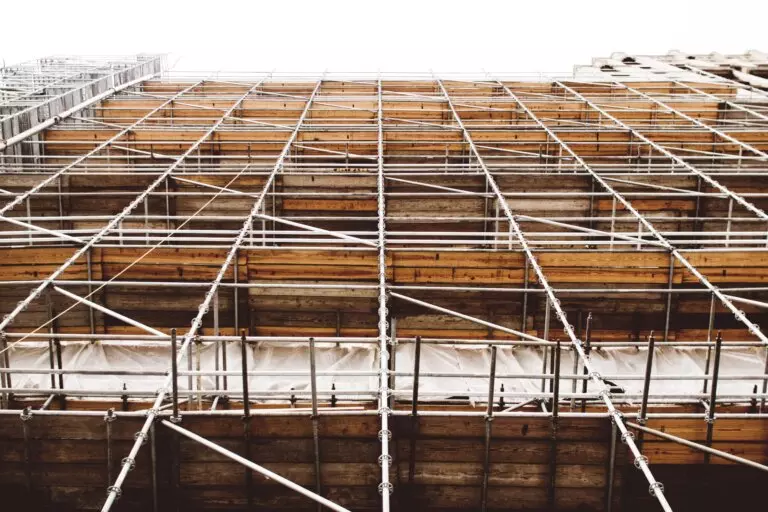
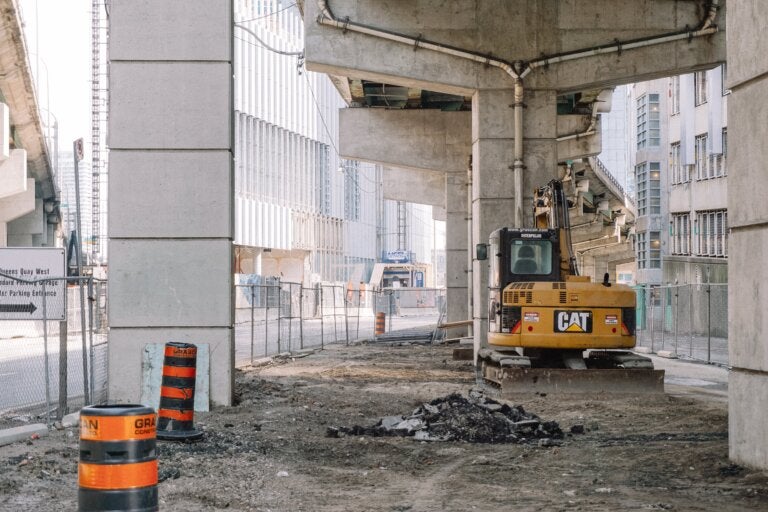
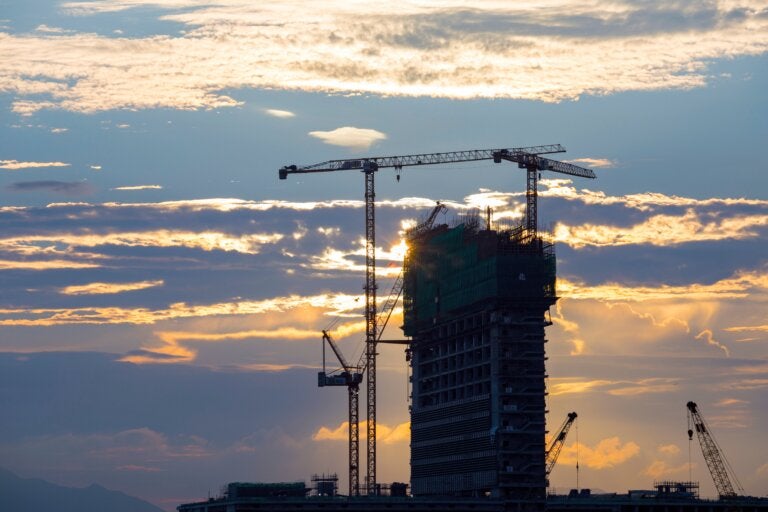
In the bustling heart of a city, construction sites stand as testament to progress and growth. However, with the rapid development and towering structures comes a pressing need for heightened safety measures. Among the various safety concerns in construction, scaffolding accidents pose a significant risk. This blog aims to shed light on the importance of scaffolding safety in urban construction sites and provide insights into preventing accidents that can mar the progress of these remarkable projects. Understanding the Importance of Scaffolding Safety: Scaffolding is a crucial component of any construction site, providing workers with a platform for performing tasks at elevated heights. However, if not properly installed or maintained, scaffolding can become a hazard, leading to accidents that may result in injuries or even fatalities. In the city where space is limited, and projects are often in close proximity to existing structures, the need for meticulous scaffolding safety measures is paramount. Common Scaffolding Hazards: Instability: One of the primary causes of scaffolding accidents is instability. This can result from improper assembly, inadequate support, or adverse weather conditions. Urban construction sites, with their tight spaces and varying elevations, demand meticulous planning to ensure stable scaffolding structures. Inadequate Training: Workers must be adequately trained in the proper assembly, use, and disassembly of scaffolding. In a city environment where construction projects are diverse and complex, ensuring that all workers are well-versed in scaffolding safety protocols is essential. Fall Hazards: Working at heights always presents the risk of falls. In the city, where construction sites often rise several stories above ground, the potential for serious injuries due to falls from scaffolding is heightened. Fall protection measures, such as guardrails and personal protective equipment, must be implemented rigorously. Overloading: Scaffolding structures have weight limits that must be strictly adhered to. With the hustle and bustle of urban construction, the temptation to overload scaffolding with materials or workers can be high. This can compromise the integrity of the structure and lead to catastrophic accidents. Navigating Scaffolding Safety in Urban Environments: Thorough Inspections: Regular inspections of scaffolding structures should be conducted by qualified personnel. This includes checking for any signs of wear and tear, ensuring proper assembly, and verifying that the scaffolding is capable of supporting the intended load. Proper Training: Investing in comprehensive training programs for construction workers is essential. This includes not only scaffolding safety protocols but also general safety awareness, hazard recognition, and emergency response. Adherence to Regulations: Construction sites in cities are subject to stringent safety regulations. It is imperative that project managers and site supervisors are well-versed in local safety codes and standards. Compliance with these regulations not only ensures worker safety but also protects the project from legal repercussions. Weather Monitoring: Given the unpredictable nature of weather in urban areas, constant monitoring is necessary. High winds, rain, or snow can impact the stability of scaffolding. Protocols should be in place to halt work during adverse weather conditions to prevent accidents. As cities continue to evolve through construction and development, prioritizing scaffolding safety is not just a legal requirement but a moral obligation. By implementing rigorous safety measures, adhering to regulations, and investing in comprehensive training, urban construction sites can mitigate the risks associated with scaffolding accidents. Only through a collective commitment to safety can we ensure that the progress of our cities is built on a foundation of security and well-being.

The Art of Negotiation: How a Construction Injury Attorney Maximizes Your Compensation

Construction sites are hubs of activity, where progress and development take shape. However, amidst the clamor of heavy machinery and the constant hum of construction, accidents can and do happen. If you find yourself a victim of a construction injury, navigating the legal landscape to secure fair compensation can be as complex as the construction projects themselves. This is where the art of negotiation, skillfully wielded by a construction injury attorney, becomes paramount. Understanding the Complexities: Construction injury cases involve a myriad of factors that can complicate the pursuit of compensation. From determining liability to assessing the extent of injuries and factoring in long-term consequences, these cases demand a keen understanding of both the legal and construction industries. An experienced construction injury attorney possesses the expertise to navigate this intricate terrain, ensuring that no stone is left unturned in the pursuit of justice for their clients. Building a Solid Foundation: Just as a strong foundation is crucial for any construction project, the initial steps taken in a construction injury case lay the groundwork for a successful negotiation. A skilled attorney will conduct a thorough investigation, collecting evidence, speaking to witnesses, and consulting with experts to establish a clear picture of the incident. This foundation serves as the bedrock for negotiations, providing irrefutable support for the victim's claims. Negotiating with Precision: Negotiating a fair settlement in a construction injury case is akin to orchestrating a delicate dance. A construction injury attorney employs a nuanced approach, leveraging their knowledge of both legal precedents and industry standards. They adeptly negotiate with insurance companies, construction companies, and other involved parties, ensuring that their client's rights are upheld and that fair compensation is on the table. Quantifying Damages: One of the challenges in construction injury cases is accurately quantifying damages. Beyond medical bills, a victim may suffer lost wages, diminished earning capacity, and endure pain and suffering. A skilled attorney understands how to assign a value to these intangible losses, ensuring that their client is not only compensated for immediate expenses but also for the long-term impact of the injury on their life. Mitigating Legal Pitfalls: Construction injury cases often involve a labyrinth of legal complexities that can trip up those unfamiliar with the terrain. An attorney well-versed in this area anticipates potential pitfalls and navigates the legal landscape with finesse. From adhering to strict filing deadlines to countering defense strategies, they are adept at steering the case through the legal intricacies, maximizing the chances of a favorable outcome. In the aftermath of a construction injury, seeking compensation is not only a legal right but a crucial step towards rebuilding one's life. The art of negotiation, wielded by a seasoned construction injury attorney, transforms this pursuit into a strategic process. From building a solid foundation to negotiating with precision, these legal professionals ensure that their clients receive the compensation they deserve. In the intricate dance of construction injury cases, a skilled attorney is the guiding partner, leading the way to a fair and just resolution.

The Art of Negotiation: How a Construction Injury Attorney Maximizes Your Compensation

Construction sites are bustling hubs of activity, where numerous tasks are performed simultaneously. While safety regulations and precautions are in place, accidents can still occur, leading to injuries that can have a significant impact on the lives of the victims. In such cases, hiring a construction injury attorney becomes crucial to ensure that victims receive the compensation they deserve. In this blog post, we explore the art of negotiation in the context of construction injury cases and how an experienced attorney can maximize your compensation. Understanding the Complexities of Construction Injury Cases Construction injury cases can be intricate, involving various parties such as contractors, subcontractors, and insurance companies. Navigating through these complexities requires a deep understanding of both construction law and personal injury law. A skilled construction injury attorney possesses the expertise to unravel these intricacies and build a strong case on your behalf. The Art of Negotiation: A Strategic Approach Negotiating a fair settlement in a construction injury case requires more than just legal expertise. It demands strategic finesse, a comprehensive understanding of the client's situation, and the ability to leverage this knowledge effectively. Here's how a construction injury attorney employs the art of negotiation to maximize your compensation: Thorough Case Evaluation: The attorney conducts a thorough evaluation of the case, gathering evidence, medical records, and eyewitness testimonies. This comprehensive approach strengthens the negotiation stance, providing a solid foundation for demanding fair compensation. Expert Legal Counsel: An experienced attorney possesses a deep knowledge of construction laws and regulations, enabling them to identify potential violations that might have led to the accident. By leveraging these violations, the attorney strengthens your case, compelling the responsible parties to offer a higher compensation amount. Skillful Communication: Negotiation is not just about presenting facts; it's about effective communication. A seasoned construction injury attorney communicates your pain, suffering, and financial losses persuasively, evoking empathy and understanding from the opposing parties. This emotional appeal can often lead to a more favorable settlement. Negotiating with Insurance Companies: Dealing with insurance companies can be daunting, as they are skilled at minimizing payouts. A construction injury attorney understands the tactics employed by insurance adjusters and counters them effectively. Their expertise ensures that you are not coerced into accepting a low settlement offer. Preparation for Litigation: A skilled attorney prepares every case as if it were going to trial. This preparation sends a strong message to the opposing parties, indicating that you are fully prepared to pursue litigation if a fair settlement is not reached. This proactive approach often compels the responsible parties to negotiate more seriously. Navigating the complexities of construction injury cases and securing a fair compensation package require expertise, experience, and strategic negotiation skills. A construction injury attorney, well-versed in the art of negotiation, can be your strongest ally in this challenging process. By understanding the nuances of your case, effectively communicating your losses, and countering the tactics of insurance companies, they ensure that you receive the compensation you rightfully deserve. If you or a loved one has suffered a construction-related injury, don't hesitate to seek legal counsel and let an experienced attorney fight for your rights, maximizing your compensation and helping you rebuild your life after a devastating accident. You have the right to do your construction job free of unreasonable dangers. If someone has failed to follow the law and thereby caused injury, let the Long Island Construction Accident Lawyers of Miller, Montiel, & Strano, P.C. fight for you. Contact us today!

Injured on the Job? Know Your Rights as a New York Construction Worker

New York City's skyline is a testament to the incredible work of construction workers who build, renovate, and maintain the city's iconic buildings. While construction workers take great pride in their work, it's no secret that the job comes with significant risks. Accidents and injuries are unfortunately common in this industry. When such incidents occur, it's crucial for workers to understand their rights and options, especially beyond the scope of traditional workers' compensation. In this blog post, we will explore the rights of New York construction workers who are injured on the job, delving into avenues beyond workers' compensation that can provide them with the support they need. Workers' Compensation Basics Workers' compensation is designed to provide financial assistance to workers who are injured on the job, covering medical expenses and a portion of lost wages. In New York, construction companies are required to carry workers' compensation insurance to protect their employees. However, workers' compensation might not always be enough to cover all the expenses associated with a severe injury, particularly if the accident was caused by someone else's negligence. Understanding Third-Party Liability Beyond workers' compensation, injured construction workers can pursue legal action against third parties whose negligence contributed to their injuries. For example, if a worker is injured due to a defective product, faulty machinery, or the negligence of a subcontractor not employed by the same employer, they may be eligible to file a personal injury lawsuit against the responsible party. These cases can result in additional compensation to cover medical bills, lost wages, pain and suffering, and other related expenses. Consulting with an Experienced Attorney Navigating the legal complexities of construction accidents and third-party liability can be challenging. Injured workers are strongly encouraged to consult with an experienced personal injury attorney specializing in construction accidents like Miller , Montiel, and Strano, P.C. Our experienced personal injury team has represented construction workers in a broad array of cases. They include accidents involving the following: Building collapses Scaffolding accidents Caught-in between accidents Falls from ladders Falls from heights Falls through floor openings Falling objects such as materials, equipment, and tools Being struck by an object Falls caused by unsafe conditions Construction equipment injuries Electrical, fire, and explosion injuries Electrocution Structural collapses Brazing and welding Negligent contractors, supervisors, and superintendents Pneumatic tools (nail guns and the like), punch presses, compressors, hand tools, etc. Forklifts Heavy equipment etc. Being injured on the job is a devastating experience, but New York construction workers have rights and options beyond workers' compensation. By understanding the nuances of third-party liability, and consulting with skilled attorneys, injured workers can secure the financial support they need to recover and move forward. It's crucial for construction workers to be aware of their rights and to take proactive steps to protect themselves in the event of an accident. Remember, you don't have to face this challenging situation alone—knowledge and legal support are your most powerful allies in the pursuit of justice and fair compensation.

The Rise of Virtual Reality in Construction Accident Litigation: A Game-Changer in the Courtroom

In recent years, the legal landscape has witnessed a significant transformation with the integration of cutting-edge technology. One such innovation that has been making waves in the field of construction accident litigation is Virtual Reality (VR). As the construction industry continues to grow, so does the number of accidents and disputes arising from these incidents. Virtual Reality is now emerging as a powerful tool, revolutionizing how construction accidents are investigated, understood, and presented in the courtroom. Understanding the Power of Virtual Reality Virtual Reality technology creates an immersive, three-dimensional environment that users can interact with. In the context of construction accident litigation, VR allows lawyers, judges, and jurors to step into the scene of the incident virtually. This immersive experience provides a detailed and realistic view of the construction site, enabling stakeholders to comprehend the complexities of the case in a way that traditional photographs or diagrams simply cannot convey. Accident Reconstruction in Virtual Reality Accident reconstruction is a crucial aspect of construction accident litigation. VR technology enables experts to recreate the accident scene with meticulous detail, incorporating factors such as weather conditions, equipment placement, and spatial relationships. By immersing themselves in the virtual environment, legal professionals can gain invaluable insights into the sequence of events leading to the accident, helping them establish liability and causation more effectively. Enhanced Communication and Collaboration In complex construction accident cases, effective communication between legal teams, experts, and clients is vital. VR technology facilitates seamless collaboration by allowing stakeholders to meet in a virtual space regardless of their physical location. Attorneys can walk clients through the accident scene, helping them understand the case intricacies and building stronger attorney-client relationships. This enhanced communication fosters better preparation and strategizing for courtroom presentations. Impact on Juror Understanding Presenting evidence in a compelling and understandable manner is essential in any legal case. VR technology empowers lawyers to engage jurors in a way that captivates their attention and enhances their understanding of the case. Jurors can virtually explore the accident site, gaining a firsthand perspective that significantly influences their decision-making process. This immersive experience humanizes the case, making it more relatable and persuasive, ultimately leading to a more informed verdict. Challenges and Considerations While the potential of Virtual Reality in construction accident litigation is vast, it's crucial to acknowledge the challenges associated with its adoption. Technical limitations, costs, and the need for expert interpretation are factors that legal professionals must navigate. Additionally, ensuring the authenticity and accuracy of VR reconstructions is paramount to maintain the technology's credibility in the courtroom. The rise of Virtual Reality in construction accident litigation marks a paradigm shift in the legal industry. By leveraging immersive technology, legal professionals can enhance their case preparation, improve communication, and deliver compelling presentations in the courtroom. As VR continues to advance, its integration into the legal process is expected to become more streamlined, making it an indispensable tool for achieving justice in construction accident cases. The future of construction accident litigation is undeniably intertwined with the immersive experiences that Virtual Reality technology offers, ushering in a new era of understanding, empathy, and justice in the courtroom.

Construction Safety Checklist: Tips for Workers to Avoid Accidents

Construction sites can be hazardous environments, with numerous potential dangers that can cause accidents if proper precautions are not taken. Ensuring safety on the construction site is not only the responsibility of the employers but also the workers. By following a comprehensive safety checklist, construction workers can significantly reduce the risk of accidents and injuries. Here are some essential tips for workers to stay safe on the job: 1. Wear Appropriate Personal Protective Equipment (PPE): Wearing the right PPE is crucial to protect against various hazards. This includes hard hats to guard against falling objects, safety goggles to shield the eyes from debris, steel-toed boots to prevent foot injuries, and gloves to protect hands from cuts and burns. Always ensure your PPE fits properly and is in good condition. 2. Complete Safety Training: Before stepping onto a construction site, workers should undergo thorough safety training. This training provides essential knowledge about potential risks and the correct procedures for handling machinery and equipment. Regular refreshers and updates on safety protocols are also vital to staying informed about the latest safety practices. 3. Stay Aware of Your Surroundings: Construction sites are dynamic environments where conditions can change rapidly. Pay attention to your surroundings and be aware of moving machinery, overhead loads, and other workers. Stay clear of areas where work is being carried out overhead and always follow designated pathways. 4. Proper Use of Tools and Equipment: Using tools and equipment correctly is paramount to safety. Workers should be trained on the appropriate usage of tools and machinery. Inspect equipment before use to ensure it is in good working condition, and report any defects or issues immediately. Always use tools for their intended purpose and handle them with care. 5. Secure and Store Materials Safely: Stack and store materials securely to prevent them from falling and causing injuries. Use proper storage methods and equipment, such as safety nets and guardrails, to secure materials and prevent them from becoming hazards. 6. Communicate Effectively: Clear communication is essential on a construction site. Use radios or other communication devices to stay in touch with other workers and supervisors. Effective communication can prevent misunderstandings and ensure that everyone is aware of potential risks and safety procedures. 7. Be Mindful of Ergonomics: Construction work often involves repetitive tasks and heavy lifting. Proper ergonomics can help prevent musculoskeletal disorders and injuries. Use correct lifting techniques, take regular breaks, and use mechanical aids when handling heavy loads to reduce strain on your body. 8. Report Hazards and Incidents: If you notice any safety hazards or witness an accident, report it immediately to your supervisor. Timely reporting can lead to prompt corrective actions, preventing potential accidents in the future. 9. Stay Drug and Alcohol-Free: Working under the influence of drugs or alcohol significantly impairs judgment and coordination, making accidents more likely to happen. Construction workers should always be sober and drug-free while on the job. 10. Take Care of Mental Health: Construction work can be physically and mentally demanding. It's essential to manage stress and seek support if needed. Employers should provide resources and support for workers' mental health to ensure they can focus on the job safely. In conclusion, construction safety is a shared responsibility between employers and workers. By following this comprehensive safety checklist, construction workers can contribute significantly to maintaining a safe work environment. Remember, staying safe on the job is not just a rule; it's a mindset that can save lives and prevent injuries. Stay vigilant, follow safety protocols, and prioritize your well-being and that of your colleagues. Safe construction practices lead to a safer and more productive work environment for everyone involved.

Behind the Scenes: What Really Happens in a Construction Injury Lawsuit

Construction sites are bustling hubs of activity, where workers tirelessly build the infrastructure that shapes our cities and communities. While safety measures are put in place to protect workers, accidents can still occur, leading to construction injury lawsuits. In this blog post, we'll take you behind the scenes to understand the intricate process of a construction injury lawsuit, shedding light on what really happens when a worker seeks justice after being injured on the job. The Initial Incident Every construction injury lawsuit begins with an unfortunate incident. It could be a fall from heights, equipment malfunction, or any other type of accident that results in injury. The injured party, often a construction worker, seeks medical attention and, in severe cases, might be unable to work for an extended period. Medical Treatment and Documentation After the incident, the injured worker receives medical treatment, and their injuries are documented. Detailed medical records are crucial in establishing the extent of the injuries sustained and the medical care required. These records play a significant role in the legal proceedings that follow. Consultation with an Attorney The injured worker or their family typically consults with a personal injury attorney specializing in construction accidents. During this consultation, the attorney assesses the merits of the case, determining if there is enough evidence to pursue a lawsuit. Experienced attorneys can provide valuable guidance and support during this challenging time. Investigation and Gathering Evidence Once the attorney agrees to take on the case, they conduct a thorough investigation. This includes gathering evidence such as accident reports, witness statements, photographs, and any other relevant documentation. The goal is to establish liability, proving that the accident occurred due to negligence, unsafe working conditions, or defective equipment. Negotiations and Settlement Talks In many cases, construction injury lawsuits are settled out of court through negotiations between the parties involved. Attorneys for both the injured worker and the defendant (often the construction company or subcontractor) engage in discussions to reach a fair settlement. Settlement talks can be lengthy and complex, involving negotiations about compensation for medical expenses, lost wages, pain and suffering, and other damages. Filing a Lawsuit and Court Proceedings If negotiations fail to reach a satisfactory resolution, the injured party's attorney files a lawsuit in court. The legal process officially begins, and both sides present their arguments and evidence. This can involve depositions, interrogatories, and expert witness testimonies. A judge or jury then deliberates the case and delivers a verdict, determining whether the defendant is liable for the injuries and, if so, the amount of compensation to be awarded. Appeals (if necessary) If either party is dissatisfied with the court's decision, they may choose to appeal. Appeals can prolong the legal process, but they are essential for ensuring that justice is served. Appellate courts review the trial proceedings to determine if any errors were made, which could have influenced the outcome of the case. Construction injury lawsuits are complex legal processes that aim to provide justice and compensation to workers who have been injured on the job due to negligence or unsafe working conditions. Behind the scenes, dedicated attorneys work tirelessly to investigate, negotiate, and, if necessary, litigate these cases, advocating for the rights of the injured and their families. Understanding this process sheds light on the challenges faced by those seeking justice and emphasizes the importance of a fair and comprehensive legal system in protecting the rights of workers in the construction industry. At Miller, Montiel & Strano, P.C., we have decades of experience you can rely on and the compassion you need during what may be the most difficult time in your life. You can contact us now.

Construction Site Superheroes: How Personal Injury Attorneys Protect Workers

Construction sites are bustling hubs of activity, where dedicated workers build our cities and shape our future. Amidst the clang of hammers and the roar of heavy machinery, construction site superheroes risk their lives daily to create the world we live in. However, their jobs come with inherent risks, and accidents can happen despite the strict safety measures in place. This is where personal injury attorneys step in as real-life superheroes, ensuring that construction workers are protected and compensated in the event of an unfortunate incident. In this blog post, we'll explore the vital role played by personal injury attorneys in safeguarding the rights and well-being of construction site superheroes. 1. Understanding Construction Site Risks: Construction sites are dynamic environments where accidents can occur due to various factors such as faulty equipment, negligence, or unsafe working conditions. Personal injury attorneys specialize in understanding these risks, allowing them to identify potential hazards and hold responsible parties accountable. 2. Legal Expertise: Personal injury attorneys possess extensive legal knowledge and expertise in navigating the complexities of construction site accidents. They are well-versed in the laws and regulations governing construction sites, enabling them to build strong cases on behalf of injured workers. 3. Investigative Skills: Personal injury attorneys employ skilled investigators who meticulously gather evidence related to the accident. This includes interviewing witnesses, reviewing construction site protocols, and examining safety records. These details are crucial in establishing liability and ensuring that construction workers receive rightful compensation. 4. Negotiating with Insurance Companies: Dealing with insurance companies can be challenging, especially when they attempt to minimize payouts or deny claims altogether. Personal injury attorneys act as powerful advocates, negotiating with insurance companies to secure fair settlements for injured construction workers. Their expertise ensures that insurance companies cannot take advantage of the victims' situation. 5. Legal Representation in Court: In cases where a fair settlement cannot be reached, personal injury attorneys provide invaluable representation in court. They present compelling arguments, backed by evidence, to ensure that construction workers receive the compensation they deserve. Their courtroom expertise is instrumental in achieving successful outcomes for their clients. 6. Emotional Support: Construction site accidents can have a profound impact on the lives of workers and their families. Personal injury attorneys not only offer legal support but also provide emotional assistance, guiding victims and their families through the legal process with compassion and understanding. Construction site superheroes deserve to work in a safe environment, knowing that they are protected in the event of an accident. Personal injury attorneys serve as their guardians, fighting tirelessly to ensure that their rights are upheld and that they receive fair compensation for their injuries. Through their legal expertise, dedication, and unwavering support, personal injury attorneys truly embody the spirit of superheroes, making construction sites safer places for everyone involved. If you or someone you know has been injured in a construction site accident, don't hesitate to reach out to us at Miller, Montiel & Strano, P.C., we have decades of experience you can rely on and the compassion you need during what may be the most difficult time in your life. You can contact us now.

Common Types of Construction Site Accidents and Their Legal Implications

Construction sites are dynamic and bustling environments where numerous activities take place simultaneously. However, this very nature makes them prone to accidents and injuries. While strict safety measures are implemented to mitigate risks, construction accidents still occur, leading to severe physical harm, emotional distress, and financial burdens. In this blog, we will delve into some of the common types of construction site accidents and explore their potential legal implications. Falls from Heights Falls from heights are one of the most prevalent types of construction site accidents. They can occur from ladders, scaffolding, roofs, and other elevated surfaces. Injuries from such falls can be catastrophic, resulting in broken bones, spinal injuries, and even fatalities. The legal implications in such cases often revolve around determining liability. Employers, contractors, and site managers are responsible for providing proper fall protection equipment, adequate training, and maintaining safe working conditions. Scaffold and Ladder Accidents Scaffolds and ladders are integral components of construction sites, and accidents involving these structures are alarmingly common. Collapses, instability, and improper use can lead to severe injuries. Legal actions may encompass product liability if the equipment is found to be faulty, or negligence on the part of the parties responsible for assembly, inspection, and maintenance. Struck-by Accidents Construction sites are rife with moving machinery, vehicles, and materials. Struck-by accidents occur when workers are hit by vehicles or objects, such as cranes, forklifts, or falling debris. Employers are legally obliged to ensure a safe work environment by implementing proper signage, designated walkways, and training programs. Negligence in adhering to safety standards can lead to lawsuits. Electrocutions Construction sites involve extensive electrical work, which increases the risk of electrocutions. Faulty wiring, inadequate grounding, and lack of proper precautions can result in severe injuries or even death. Electrical accidents can lead to complex legal scenarios involving both worker's compensation claims and potential third-party lawsuits against subcontractors or equipment manufacturers. Trench and Excavation Collapses Trench collapses are particularly hazardous and can trap workers under tons of soil and debris, leading to asphyxiation or crush injuries. Adequate shoring, sloping, and protective systems are essential in preventing these accidents. Legal implications may involve investigations into compliance with OSHA regulations, proper training, and supervision. Caught-in Accidents Machinery with moving parts, such as bulldozers, conveyor belts, and power tools, poses a significant risk of caught-in accidents. These accidents occur when a worker's clothing, body part, or tools get caught in the machinery. Proper machine guarding, safety training, and strict adherence to lockout/tagout procedures are essential preventive measures. Legal actions may focus on inadequate training, lack of safety protocols, or equipment defects. Repetitive Motion Injuries While not as immediately dramatic as some other accidents, repetitive motion injuries like carpal tunnel syndrome or musculoskeletal disorders can have long-term effects on a worker's health and ability to work. Employers are responsible for providing ergonomically sound workstations, breaks, and rotational tasks to prevent such injuries. Construction site accidents can have far-reaching physical, emotional, and financial consequences for workers and their families. Understanding the common types of accidents and their legal implications is crucial for both workers and employers. By prioritizing safety measures, adhering to regulations, and promptly addressing any potential hazards, the construction industry can take significant strides towards reducing accidents and creating a safer work environment for everyone involved. At Miller, Montiel & Strano, P.C., we have decades of experience you can rely on and the compassion you need during what may be the most difficult time in your life. You can contact us now.

The Crucial Role of Workers' Compensation in Construction Injury Cases

Construction sites are bustling hubs of activity, where skilled workers bring architectural visions to life. However, this industry's fast-paced and physically demanding nature also exposes workers to a higher risk of injury. In the event of an accident, workers' compensation plays a pivotal role in ensuring the well-being of construction workers and providing them with the support they need to recover and return to work. This article delves into the significance of workers' compensation in construction injury cases, highlighting its benefits and the protection it offers to both workers and employers. Understanding Workers' Compensation Workers' compensation is a state-regulated insurance program that provides financial assistance and medical benefits to employees who sustain work-related injuries or illnesses. Its primary objective is to protect workers and employers alike by establishing a no-fault system. This means that regardless of who is at fault for the injury, eligible employees are entitled to compensation for medical expenses, lost wages, rehabilitation costs, and even death benefits for the families of workers who tragically lose their lives on the job. Benefits of Workers' Compensation in Construction Prompt Medical Attention: In construction, accidents can range from minor incidents to severe injuries. Workers' compensation ensures that injured employees receive immediate medical care, which is crucial for preventing complications and promoting a speedy recovery. Financial Support: Construction injuries can lead to substantial medical bills and time away from work. Workers' compensation provides financial assistance to cover medical expenses and a portion of lost wages, easing the financial burden on workers and their families during their recovery period. Rehabilitation and Recovery: For construction workers dealing with long-term injuries, rehabilitation and recovery are often necessary. Workers' compensation may cover the costs of physical therapy, occupational therapy, and vocational rehabilitation to help injured workers regain their independence and return to work when possible. Legal Protection: Workers' compensation generally protects employers from being sued by employees for work-related injuries. This ensures a more streamlined process for obtaining benefits without the need for lengthy legal battles. Death Benefits: In the tragic event of a construction worker's death, workers' compensation provides death benefits to the worker's dependents, helping to alleviate financial hardships in an already difficult time. Safety Incentives: Workers' compensation encourages employers to maintain safe working environments. By implementing safety measures and protocols, employers can reduce the likelihood of accidents and injuries, leading to a more secure workplace for everyone. Peace of Mind: Knowing that workers' compensation is in place can give construction workers peace of mind, allowing them to focus on their jobs without constant fear of financial ruin in case of an accident. Challenges and Considerations While workers' compensation is a vital safety net for construction workers, there are some challenges and considerations to be aware of: Navigating the System: The process of applying for workers' compensation benefits can be complex. It may involve paperwork, medical evaluations, and communication with insurance providers. Injured workers may benefit from legal assistance to ensure they receive the full compensation they are entitled to. Coverage Variability: Workers' compensation laws vary from state to state, and coverage may differ. Some states have specific regulations for construction-related injuries, so it's important for workers to understand their rights under their state's laws. Third-Party Liability: In some cases, a third party (not the employer) may be responsible for a construction worker's injury. While workers' compensation covers injuries regardless of fault, injured workers may also explore legal options against third parties to seek additional compensation. The construction industry is essential for creating the spaces in which we live, work, and play. However, the physically demanding nature of construction work comes with inherent risks. Workers' compensation serves as a vital safety net, offering financial and medical support to injured construction workers. By providing timely medical attention, financial assistance, and a pathway to recovery, workers' compensation plays a crucial role in ensuring the well-being of those who dedicate their efforts to building our world. It's important for both workers and employers to understand their rights and responsibilities under workers' compensation laws, fostering a safer and more secure construction environment for everyone.

Construction Site Safety: Understanding Your Rights and Responsibilities in New York

Construction sites are dynamic and bustling environments, essential for the growth of cities and infrastructure. However, with their inherent complexity and hazards, construction sites pose significant risks to workers and visitors. In New York, a state renowned for its iconic skyline and ongoing development, ensuring construction site safety is paramount. This blog aims to provide valuable insights into the rights and responsibilities of individuals involved in construction projects in New York, emphasizing the importance of a safe working environment. Rights of Construction Workers Right to a Safe Workplace: Construction workers in New York have the fundamental right to a safe and hazard-free workplace. Employers are obligated to provide proper training, personal protective equipment (PPE), and safety protocols to mitigate risks. Right to Information: Workers have the right to access information about potential hazards, safety protocols, and emergency procedures on the construction site. Employers should ensure that this information is readily available and understandable. Right to Report Unsafe Conditions: If workers identify unsafe conditions or practices, they have the right to report them without fear of retaliation. Reporting mechanisms should be established and communicated to all employees. Right to Workers' Compensation: In the unfortunate event of a workplace injury, construction workers have the right to workers' compensation benefits to cover medical expenses and lost wages. Right to Seek Outside Consult: Workers have the right to consult with an attorney of their choosing to assess if compensation is warranted beyond Workers’ Compensation. At Miller, Montiel & Strano, P.C., we have decades of experience you can rely on and the compassion you need during what may be the most difficult time in your life. You can contact us now. Responsibilities of Employers Providing Adequate Training: Employers must ensure that all employees, including contractors and subcontractors, receive proper training in safety procedures, equipment operation, and hazard recognition. Implementing Safety Measures: It is the responsibility of employers to implement safety measures, such as fall protection, scaffolding standards, and electrical safety protocols, to minimize the risk of accidents. Supplying Personal Protective Equipment (PPE): Employers should provide and ensure the proper usage of PPE, such as helmets, gloves, and safety harnesses, to safeguard workers from potential hazards. Regular Inspections: Routine inspections of the construction site should be conducted to identify and address potential hazards. Prompt corrective actions should be taken to eliminate risks. Emergency Preparedness: Employers are accountable for establishing clear emergency response plans and ensuring that all workers are familiar with evacuation procedures and first aid protocols. Legal Regulations OSHA Standards: The Occupational Safety and Health Administration (OSHA) sets federal safety standards that apply to construction sites. Employers must adhere to these standards to guarantee a safe work environment. Labor Laws: New York labor laws provide additional protections for construction workers, including requirements for proper scaffolding, fall protection, and safety training. Contractual Agreements: Contractors and subcontractors must also comply with safety regulations outlined in their contractual agreements. Collaboration and communication between all parties are essential to uphold safety standards. Construction site safety is a shared responsibility that requires cooperation among employers, workers, regulatory agencies, and other stakeholders. In New York, where construction is a cornerstone of urban development, understanding your rights and responsibilities is crucial for fostering a culture of safety. By prioritizing safety measures, adhering to regulations, and promoting open communication, we can ensure that every construction site in New York becomes a safer and more secure place for everyone involved.

Contact Us

Fill out this form below and we'll contact you shortly
*Required Fields