Blog / Construction Accidents

Blog

All Construction Accidents Garden City Personal Injury Blog Personal Injury Motor Vehicle Accidents Pedestrian Accidents Injuries Nursing Home Abuse Traumatic Brain Injury Bus Accident Premises Liability Truck Accident Law Birth Injury Slip and Fall Accidents Spinal Cord Injuries Wrongful Death

The Dangers of Scaffolding Accidents

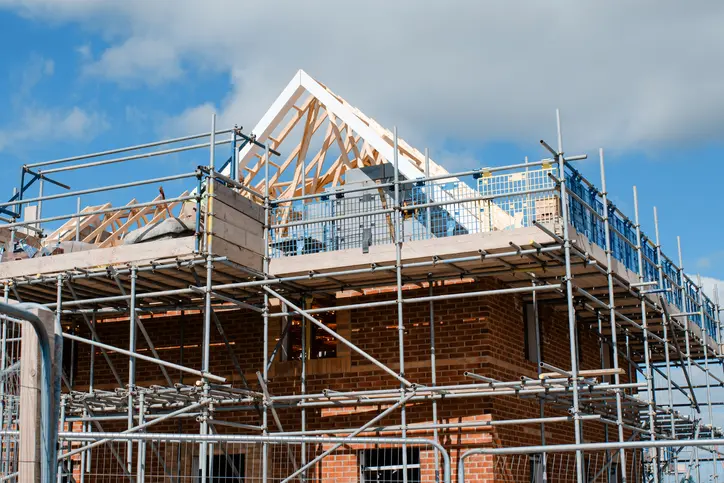
Scaffolding is ever-present throughout New York because the city is always experiencing growth and new construction. While there is some risk of an accident every time a worker steps foot on a scaffold, reasonable steps should always be taken to keep workers as safe as possible. Tragically, and despite strong state laws to minimize the dangers, scaffolding accidents do happen. If you or a loved one have been hurt in one, you have a dependable legal partner in Miller, Montiel, & Strano, P.C. Here, we take a look at just how hazardous these accidents are. Four of the most common dangers Construction work is dangerous enough, but the risk is compounded when a project requires workers to be off the ground. Despite provisions of the New York Labor Law (particularly Section 240) to ensure scaffolding safety, hazards abound. These are four of the most common dangers: Falling from scaffolding, including slips and falls. Falls from scaffolding can be due to a number of specific causes such as lack of guardrails, improper use of guardrails, and slips and falls (which themselves may be the result of slick substances on the scaffolding or other conditions). OSHA rules and the Scaffolding Law require certain basic safety protocols to be met. When they aren’t, a worker can plunge to his or her death or suffer serious injury. Access to the scaffold work platform is another reason these falls happen. A secured ladder, stair tower, or ramp should be implemented to allow workers access to the scaffold. Unsafe vertical or horizontal access to the scaffold platform could easily lead to a fall. Collapse of the scaffolding. If the scaffolding is not properly erected, it may collapse. But just because the scaffolding is put together at the outset of the construction project does not mean it won’t become unsafe later. Inclement weather, the addition of more workers, and the subsequent use of heavier materials or equipment on the scaffold could necessitate moving or reassembling it to ensure worker safety. Only an individual who is competent in such matters should build, move, and dismantle the scaffolding. Objects falling from the scaffold platform. Accidents could be caused that harm workers, pedestrians, bicyclists, and motorists below or in the vicinity of the scaffolding. Installing adequate guardrails is one step that may minimize the risk of injury. But workers need to also be mindful in how they handle material and equipment while working on the platform. Carelessly handling such objects or even throwing them off the scaffold must always be discouraged. Non-workers should also be kept at a reasonable distance in the event something falls from the scaffolding. Contact with electrical wires. The risk of electrocution may not be readily associated with scaffolding, but it can occur if the scaffolding is assembled too close to live wires. There should be adequate distance between the workers and any electrical hazards. In the event the scaffolding must be set close to an electrical source, the power should be disconnected or proper insulation should be used. These are relatively easy steps that can prevent major injury or death. How We Can Assist With Your Scaffolding Accident Claim If you are a worker who was injured because of a scaffolding accident, you may have legal options besides workers’ compensation. Our firm wants to explore those options with you. We will investigate how and why your scaffolding accident happened and then get to work holding the at-fault parties responsible. Reach out to Miller, Montiel, & Strano, P.C. today to learn more.
Common Ways Construction Accidents Occur

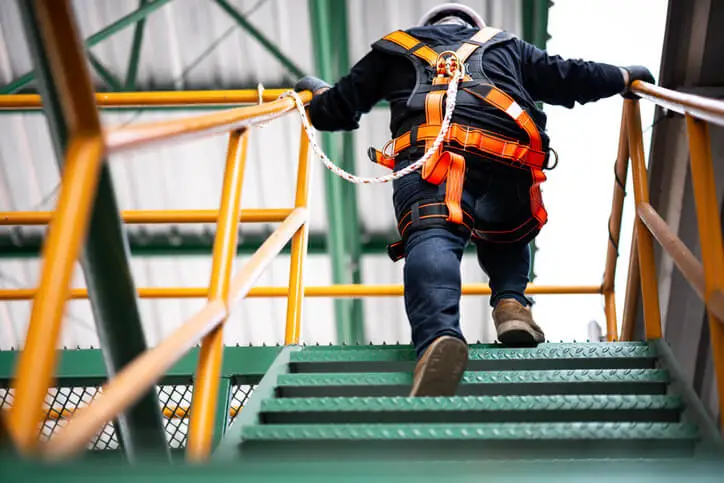
One of the most important steps that a construction accident victim must take to seek compensation is to demonstrate how the incident occurred. The burden, therefore, is on the plaintiff to explain to a jury the nature of the accident and the conditions that caused it to happen. Working with experienced personal injury counsel, you can present a compelling case that demands the justice you deserve after your construction accident. Turn to the team at Miller, Montiel, & Strano, P.C. The most common causes of construction accidents Construction job sites are necessarily dangerous places. A number of hazards are present and safety regulations are not always enforced. After a construction accident, it will be the plaintiff-victim’s obligation to lay out a case that explains in detail how it happened. These are some of the most common ways they do: Slips, trips, and falls. There are all kinds of conditions at construction job sites that can cause a slip, trip, or fall. These are just some: Openings left uncovered or unprotected in floors Holes and pits that are not properly cordoned off Unsafe ladders and ladders improperly placed Slick surfaces Improper set up and lack of guardrails on scaffolding Uneven footing caused by poor flooring, temporary ramps or steps Staircase collapse Tools left carelessly on the ground Failure to provide safe set up to get on to or off of equipment Struck by accidents. Flying, falling, swinging, and rolling objects can forcefully strike a worker, causing injury. Commonly, materials that fall from heights are in this category. Caught in/between accidents. Being stuck or pinned between two objects is common on construction sites. This category includes getting a limb caught and injured in a piece of equipment. Machinery or equipment accidents. Construction workers should be trained how to safely use machinery and equipment to reduce the chances of a major accident. However, the machine or equipment itself could be defective and thereby result in injuries Electrocutions. Power lines, wiring, and power sources are common features of construction sites. If safety rules are disregarded, a worker could be electrocuted. Electrocution injuries can include burns, cardiac arrest, and nerve damage. Collapses. Moving large amounts of soil can cause instability which may lead to a ground collapse. Other examples of collapses include tunnel, trench, building, and scaffolding collapses. The role of negligence All of the above ways that construction workers can be injured are preventable . The reason these accidents occur is usually rooted in negligence - that is, some irresponsible act or omission on the part of the property owner, general contractor, or another liable party. These are some examples of negligence: Failure to observe and enforce OSHA regulations and workplace safety rules Cost cutting shortcuts Lazy, inadequate site supervision or maintenance Inattention from trying to complete a job too fast Failure to care about or consider construction worker safety Failure to properly train and supervise workers Failure to provide adequate safety gear, e.g. eye protection The presence of excessively hazardous conditions, e.g. having too many construction vehicles on the site at once Defective or malfunctioning equipment, machines, tools, vehicles, and scaffolding Unsafe property conditions, including the presence of toxic substances Were You Injured In A Construction Accident? We Can Advise You Of Your Legal Rights If you or a loved one were injured on a construction site, don’t delay taking legal action. Medical bills, lost wages, and pain and suffering are some of the most common damages stemming from construction accidents. Miller, Montiel, & Strano, P.C. can review your case, explain your legal rights, and get to work building a case to seek monetary compensation. Reach out to us today.

How to File a Construction Accident Claim as an Injured Pedestrian in New York

Construction accident claims aren't just for workers. Here in New York City we're surrounded by construction projects constantly. While workers are more likely to be injured than passers-by, anyone can find themselves in the path of falling scaffolding or debris. It happened recently on the Upper West Side. Debris came down near West 78th Street and Amsterdam Avenue, collapsing atop a family. In another incident, a jogger was struck by an industrial-sized forklift. The law requires construction companies to see to the safety of guests and pedestrians, not just workers. They are liable for your medical bills, for lost wages that you incur because your injuries keep you from working, for any other expenses spawned by the accident, and for your pain and suffering damages. If criminal behavior such as drug or alcohol abuse was involved then you may be able to make a claim for punitive damages as well. If a family member died in the accident then you will need to file a wrongful death claim. The construction company will be required to pay your funeral expenses, as well as compensate you for any medical bills incurred before your loved one died. In addition, they will be required to pay for your bereavement, loss of services and companionship. If the accident was particularly gruesome or particularly distressing and you witnessed it, they may owe you additional pain and suffering damages as well. A construction accident is not like a car accident. There's no law that demands that the person in charge of the construction site provide you with information. While you should report the incident to anyone who is on duty if you can, many people injured by construction simply don't have the chance. They require immediate medical care. The easiest way to file a claim is to reach out to a construction accident injury lawyer. We gather all the appropriate information and deal with the liability insurance company adjuster on your behalf. This prevents you from being led into saying or doing anything which might harm your claim or your case later. At times, we must make construction accident claims against the city itself. When this happens you must meet strict deadlines. You have just 90 days to notify the appropriate agency of your intention to move forward. Figuring out which party is responsible is one of the first steps we will take on your behalf. Often there are dozens of entities who have a duty of care towards anyone who might come into contact with the site. This includes architects, engineers, building materials manufacturers, the construction company, the owner of the site, and more. The primary responsibility is on the property owner and the general contractor, but we work hard to make sure every responsible party is held accountable. If you were injured, there's no time to waste. Reach out to Miller, Montiel, and Strano to schedule a free course evaluation today. See also: What is the Long Island Scaffold Law? Gathering Evidence in Long Island Construction Accidents Who Is Responsible for the Damages in a Long Island Construction Accident?

What is the Long Island Scaffold Law?

Owners and general contractors are responsible for the workers who work on their construction sites, at least in New York. This is thanks to Labor Law 240, which has been around since 1885. "All contractors and owners and their agents, except owners of one-and-two family dwellings who contract for but do not direct or control the work, in the erection, demolition, repairing, altering, painting, cleaning, or pointing of a building or structure shall furnish or erect, or cause to be furnished or erected for the performance of such labor, scaffolding, hoists, stays, ladders, slings, hangers, blocks, pulleys, braces, irons, ropes, and other devices which shall be so constructed, placed, or operated as to give proper protection to a person so employed." If the staging is more than 20 feet from the ground or floor, must provide: "A safety rail of suitable material properly attached, bolted, braced, or otherwise secured, rising at least 34" above the floor or main portions of such scaffolding or staging and extending along the entire length of the outside and the ends thereof, with only such openings as may be necessary for the delivery of materials. Such scaffolding or staging shall be so fastened as to prevent it from swaying the building or structure." All scaffolding: "Shall be so constructed as to bear four times the maximum weight required to be dependent therefrom or placed there on when in use." If employers don't provide proper protections against falling objects, falls from heights, or structure collapses, then they are in violation of Labor Law 240. If you can prove they were in violation of the law and that violation caused an injury due to a gravity related accident, then you can sue them for your losses. To file a claim you must prove that the entity responsible was the owner or general contractor on a construction project, that the accident was gravity-related, and that your injury was caused by said gravity-related accident. If your employer was in violation of the scaffolding law then you may still file a workers compensation claim. You can also file a scaffolding law claim. This will help you recover for future economic losses, pain, suffering, and the lost wages that workers compensation will not cover. Here at Miller, Montiel, and Strano we have helped hundreds of construction workers, electricians, carpenters, bricklayers, laborers, welders, and other workers recover compensation under Scaffolding Law. We have also helped citizens who were injured in gravity-related accidents while walking near city construction sites, or who have been forced to deal with scaffolding while conducting daily activities, such as going to school. You do have recourse if you were injured in a construction accident. Contact our office to get more help today. See also: Gathering Evidence in Long Island Construction Accidents Who Is Responsible for the Damages in a Long Island Construction Accident?

Can You File a Long Island Personal Injury Case and Workers Compensation Case at the Same Time?

Usually workers compensation and personal injury cases are "either or" affairs. If you were injured on the job, then  you'd file a workers compensation claim. Workers compensation is a sort of bargain made by employers: they agree to cover part of your wages and your medical bills and you agree not to sue them for everything else you could generally sue someone for in an injury case. It's a concept that dates all the way back to ancient Sumer. Both parties ignore the issue of fault. But there are exceptions to this rule. If you are injured on the job you may indeed have a personal injury claim, especially if you are a construction worker. Construction injuries are some of the most common injury claims, and they rarely are the fault of just one party. Construction Injury Cases are Third-Party Cases When a third party, other than your employer, is responsible for an injury you sustain on the job then you may file both a personal injury case and a workers compensation case. In a construction case, this could be the designer or architect, a subcontractor, a materials manufacturer, a vendor, or one of the dozens of other people who touch a construction project. Bringing both types of cases allows you to sue for pain and suffering, which workers compensation doesn't cover. You can also get 100% of your lost wages instead of just 70% of your lost wages. Finally if you've lost your earning capacity or become permanently disabled you can get money for this loss that you may be able to live on in the future. Workers compensation payments don't always take care of you for the rest of your life. In addition, holding both parties accountable helps to shield you from the dirty tricks that employers like to play. Many employers don't want their insurance companies to pay claims because it drives up their premiums. Other Third-Party Cases Exist Other third-party cases do exist. For example, if you drive for your job and get injured in a car accident, you may have a worker's comp claim and a claim against the at-fault driver. Most companies interact with third-parties at some point as well. The manufacturer of equipment that you use could be at-fault for your accident. A vendor or client could cause an injury. Any time you think the possibility of a third party claim exists you should at least explore the possibility of bringing both types of claims. You Don't Have to Do Guesswork If you think you might have a claim it's always important to move fast. Involve an attorney. Call our office to get a free case review. If we decide to take your case we can move fast to secure evidence before it disappears, and can deal with all relevant parties and insurance companies on your behalf so that they don't mislead you into making mistakes that could have a negative impact on your case. We've been helping injury victims for four decades, and we can help you, too. See also: Gathering Evidence in Long Island Construction Accidents Who is Responsible for the Damages in a Long Island Construction Accident? What Happens in a Long Island Personal Injury Case if the At-Fault Driver Dies?

Gathering Evidence in Long Island Construction Accidents

A construction accident case is like any other legal case. You'll have to gather evidence to support your claims that your injury was caused by someone else's negligence. Here are the different forms of evidence in a construction accident case, and what you must do to make that evidence as valuable as possible. Medical Records All of your medical records counts as evidence. This includes: Discharge paperwork Medical bills Psychiatric bills Dental bills Prescriptions Doctor's instructions The hospital's records of your treatment Your attorney will get the hospital records, but you should preserve the rest. To make this form of evidence as valuable as possible, you will need to seek medical treatment immediately and follow all of your medical provider's instructions, no matter how minor they seem to be. Financial Records To keep track of your financial losses, preserve: Pay stubs Receipts from services, like housekeeping services Receipts for mobility aids Changes in your standard of living can be used to help determine your pain and suffering compensation, so document those issues, as well. Photographs If you are awake and alert enough to do so after your accident you should try to take photographs if you can. Some construction accidents don't allow this, as the victim is in so much pain that photographs can be impossible. Nevertheless, if you can, you should. Sometimes we may be able to get photographic evidence if you involve us early enough. For example, there may be video cameras recording footage of the construction site. We might be able to get copies of that footage, but it's usually only possible if you call a construction accident attorney as soon as you're medically capable of doing so. Physical Evidence If possible, you should work with your attorney to gather physical evidence from the accident site before it gets lost or "accidentally" destroyed. This is usually only possible if you involve a construction accident attorney right away. Your attorney will subpoena the evidence and make sure it is preserved properly and stays safe. Construction Cases Are Complex In a construction case, you are often holding multiple parties liable for their negligence. These cases quickly grow contentious. Our firm specializes in ensuring that your expenses are covered. Contact us today to ensure your case remains strong and that all applicable evidence gets preserved. See also: Construction Lawyers 7 End-of-Summer Tips for Construction Site Safety Two Injured in Construction Accident on Lincoln Road

Contact Us

Fill out this form below and we'll contact you shortly
*Required Fields